Importing furniture from India to the Netherlands
Rotterdam is where a great deal of Indian furniture enters the European Union — including furniture that is never sold in the Netherlands.
That makes Dutch importers the EU operator on paper, carrying liability for onward markets too. Here is what that means, and what actually damages containers on this route.
Based in Jodhpur since 2017 · Furniture only · Reports in 24 hours
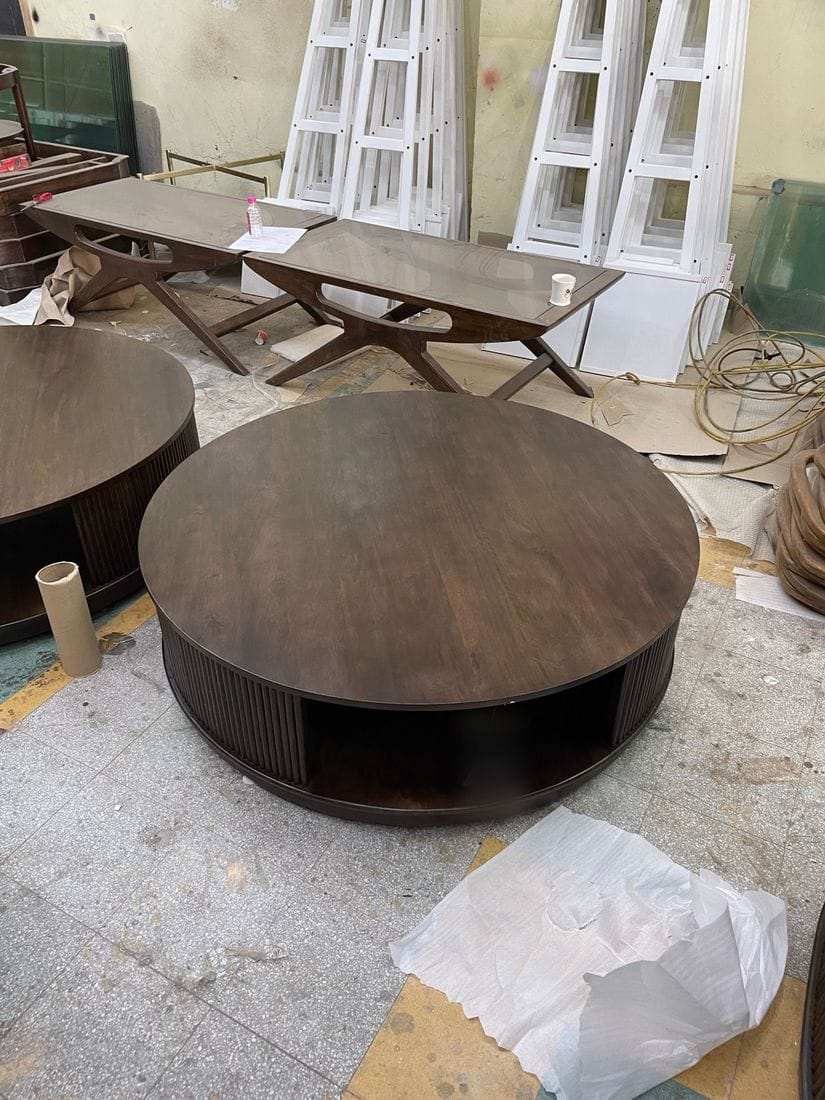
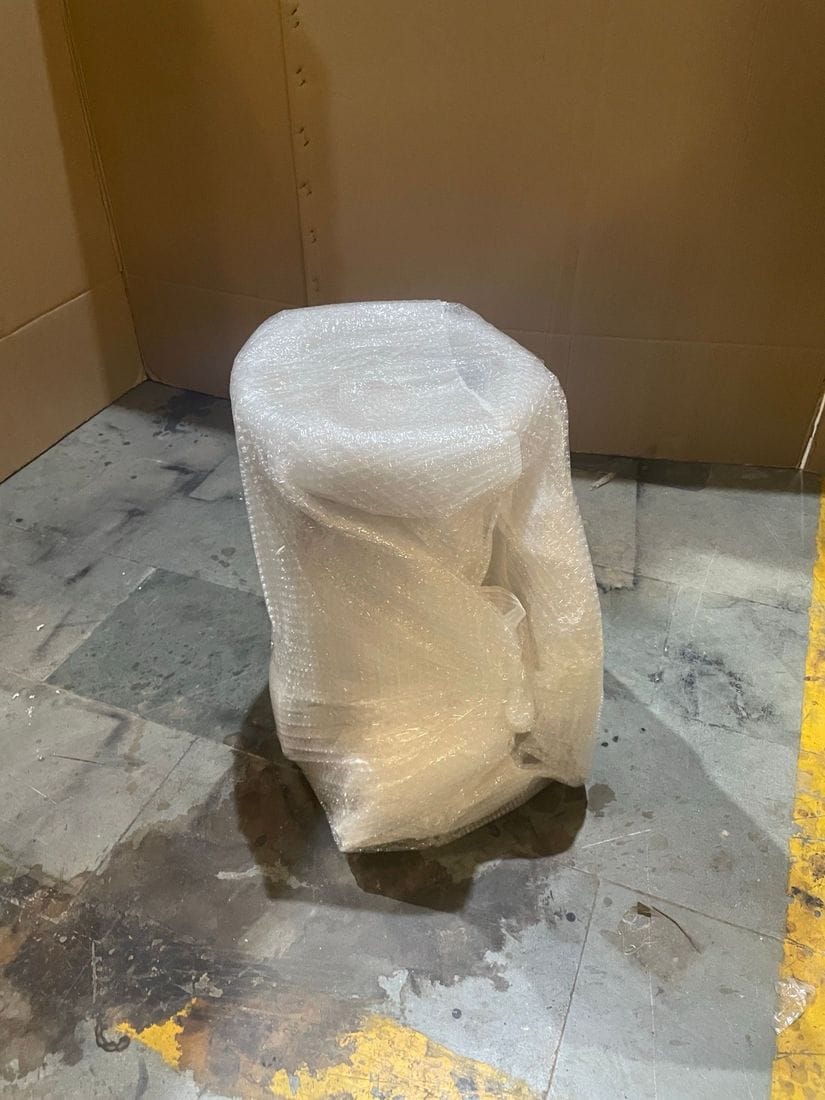
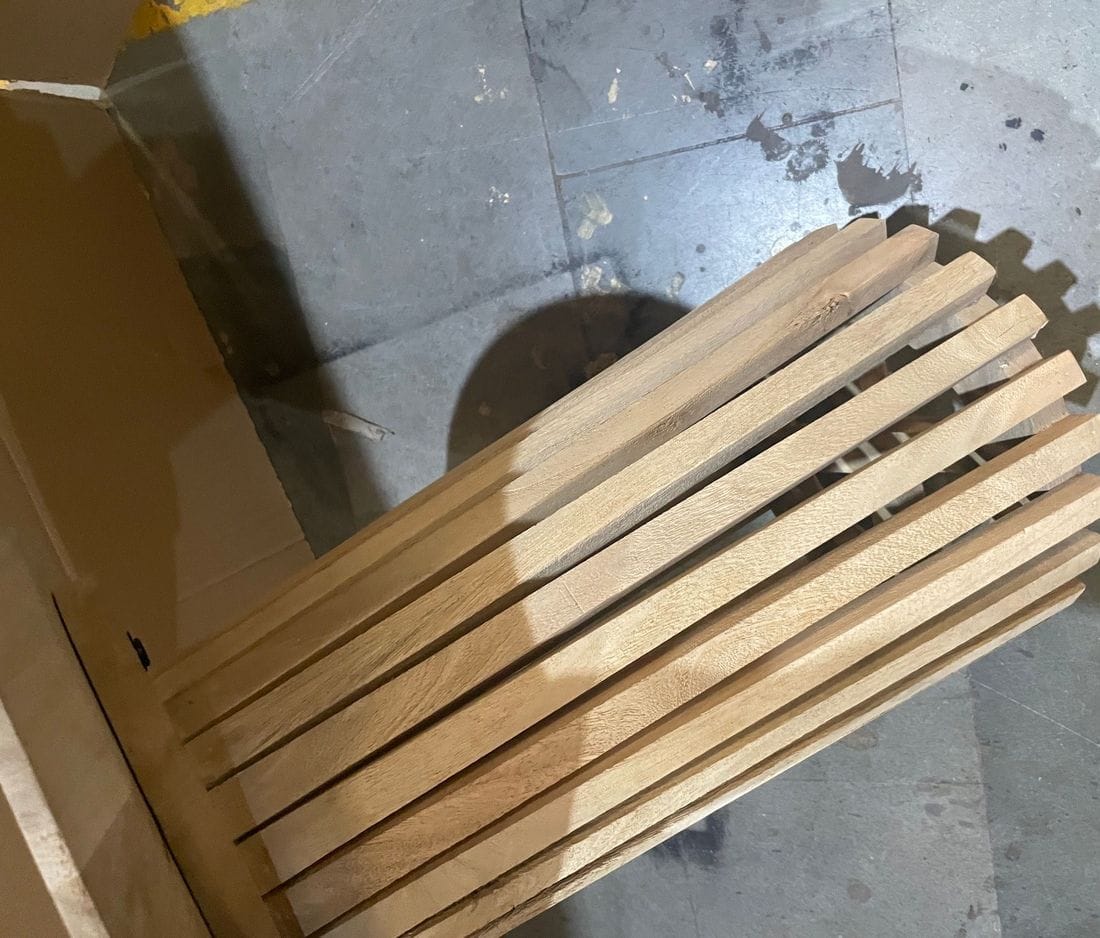
If it clears in Rotterdam, you are the operator
Under EUDR the party that first places goods on the EU market is the operator, and the operator carries primary legal responsibility. For a Dutch wholesaler importing from India and distributing onward into Germany, Belgium or France, that party is you — for every one of those markets.
A German retailer importing for its own shelves carries its own risk.
- A Dutch distributor importing for fifteen European customers carries theirs as well — and will be asked for the reference number by every one of them.
- The evidence file stops being a compliance chore and becomes a commercial document your customers evaluate you on.
ENFORCEMENT — in the Netherlands, timber regulation compliance falls to the NVWA (Nederlandse Voedsel- en Warenautoriteit). Confirm current competent-authority guidance directly, as EUDR implementation arrangements are still settling across member states.
Damp is the Dutch problem, not drought
German importers lose furniture to central heating drying it out. The Dutch failure mode is the opposite end of the same physics — a maritime climate, humid warehousing, and a container that spent five weeks sweating on the way to Rotterdam.
| Stage | What happens | Typical MC |
|---|---|---|
| Indian workshop, unmanaged | Timber that skipped or cut short its kiln cycle settles to warm, humid workshop air. | 11–14% |
| Container, 4–6 weeks at sea | Day-night cycling drives condensation onto cold steel and back onto goods. Mould begins here, not in your warehouse. | RISING |
| Dutch warehousing | Maritime humidity keeps material damp; unheated storage prolongs it. | 10–13% |
| Heated Dutch interior, winter | Milder than continental Germany, but still a drying environment. | 7–10% |
| Our shipping specification | Dry enough to resist mould in transit, not so dry it cracks in service. | 9–11% |
Mould does not exist when the container is stuffed.
- It appears on arrival, which is why it is almost always argued about rather than prevented.
- The controllable variables are all at origin: moisture at packing, whether the goods were packed warm, ventilation and desiccant in the container, and whether the timber came out of the kiln dry before it was machined, finished and wrapped.
HOW WE CHECK — moisture-meter readings per item recorded individually, packing condition assessed before sealing, desiccant and ventilation verified at stuffing, and metal parts checked for chipped coating and bare edges before they are wrapped.
Four failures we see on this route
Mould on the surfaces nobody lacquers
Mango is the value solid wood of the Jodhpur cluster, and it is rated moderately durable to perishable: more prone to fungal and insect attack than sheesham. Shipped above its moisture limit into a damp container, it grows mould where no finish protects it, on undersides, drawer interiors and back panels. Our sheesham vs mango vs acacia guide sets out the differences.
Iron bases in a sweating container
Industrial designs pair mango or acacia tops with iron bases made in Jodhpur or Moradabad. Container condensation finds every chip in the powder coat, so rust shows on arrival or months later, and bolted joints loosen as the wood moves. Coating adhesion and film are checked at pre-shipment, and bare edges before wrapping.
One spec, several destination climates
Stock that clears in Rotterdam and sells into heated German homes needs the drier German specification, not the Dutch one. Buying to a single average produces claims at both ends.
Evidence your customers will audit
As the operator you will be asked for due diligence reference numbers by every downstream buyer. Thin evidence becomes a commercial problem long before it becomes a regulatory one.
What applies to a Dutch furniture importer
EUDR — timber due diligence
Wooden furniture is in scope. As the first party placing goods on the EU market you are the operator: plot geolocation, proof of legal production and a documented supply chain, then a filed statement.
30 DEC 2026 · ALL SIZESOne statement, passed downstream
Since the December 2025 simplification only the first operator files, and only the operator or trader immediately downstream has to keep the reference number. Commission guidance from April 2025 separately allows one statement to cover several shipments. Less paperwork — the same evidence burden behind it.
FILING BURDEN SITS WITH YOUEN furniture standards
Strength, durability and stability referenced to EN 1728, EN 12520 and EN 12521, with EN 1022 for seating stability. Not a customs gate, but the basis on which European retail buyers accept or reject.
CONTRACTUAL, NOT BORDERThere is no EUDR certification scheme, and no inspection company can certify a supplier as EUDR compliant. What exists is evidence, a risk assessment and a statement that you file. We collect and verify the evidence; the statement stays yours. Treat any vendor offering an EUDR certificate with caution.
Clearing in Rotterdam: VAT, Dutch labels and one regulator
The EU rules are the same in Rotterdam and Antwerp. These four points are Dutch, and each one is settled before the container reaches the quay.
Article 23: import VAT without paying it at the border
Dutch VAT on furniture is 21%. With an Article 23 permit (vergunning artikel 23) you do not pay it to Customs when the goods are imported. You declare it in your VAT return instead, and deduct it in the same return. The VAT stays in your account until the return is due, instead of being paid before the container is released. A business not established in the Netherlands cannot apply itself: it needs a Dutch tax representative, who provides financial security for the VAT. Forwarders often act as one.
ARRANGE BEFORE THE FIRST SHIPMENTSafety information in Dutch
The EU product safety rules (GPSR) let each country set the language of instructions and safety information. The Dutch Commodities Act (Warenwet), amended in 2025 for the GPSR, requires it in Dutch. For furniture that means the assembly sheet, the wall-anchoring warning on tall units and any care warning. These are printed in India, so they are cheapest to fix before packing: we check the inserts at pre-shipment inspection against the language you specify.
CHECKED AT PSIThe NVWA handles EUDR and product safety
The Netherlands Food and Consumer Product Safety Authority (NVWA) is the Dutch authority for the EU Deforestation Regulation and the main authority for consumer product safety. One authority sees both your timber file and your product file. Under the EUDR it can fine a company or have goods destroyed. Most companies have to comply from 30 December 2026, smaller ones from 30 June 2027.
NVWA · EUDR@NVWA.NLA furniture take-back scheme (UPV meubels)
The Dutch government is preparing extended producer responsibility for furniture: producers and importers would fund collection and recycling. A follow-up study, dated 25 June 2026, went to parliament with the June 2026 circular economy letter. No obligation applies yet. Fees in such schemes are usually set by weight and material, so keep those per item on your product sheets now.
NOT IN FORCE · 28 OCT 2026DUTY — 0% on Indian furniture under the EU's GSP scheme with a statement on origin, as of 27 October 2026. Rates and how to check them: import duty on furniture from India.
India to Rotterdam, and where inspection fits
Typical routing
- Jodhpur / Jaipur cluster to portROAD 1–2 DAYS
- Moradabad cluster (iron, aluminium)ROAD / RAIL
- Mundra or Nhava ShevaORIGIN PORT
- Sea transit to North Europe~4–6 WEEKS
- Rotterdam, then inland EUARRIVAL
Where we intervene
- Supplier verified before depositPRE-ORDER
- Production checked mid-runDUPRO
- Moisture & build at 80% packedPSI
- Desiccant, ventilation, sealLOADING
- Timber evidence file assembledEUDR
THE POINT — mould, damp and short counts are all decided at stuffing. Once the container sails, every one of them becomes a negotiation with a supplier who has already been paid.
Published, fixed pricing
Prices in USD; EUR invoicing available on request.
Pre-Shipment Inspection
AQL 2.5 sampling to ISO 2859-1, moisture readings against destination spec, coating checks on metal parts, report in 24 hours.
BookProtected Container
Inspection plus loading supervision — count, condition, desiccant and ventilation verified, seal photographed, 12-hour reporting.
Protect my containerEUDR Evidence Review
Timber documentation audited on site, upstream tracing to yards and traders, indexed evidence file with an honest gap register.
See scopeDutch importers ask
We import into Rotterdam and sell across Europe. Who files the EUDR statement?
You do. The operator is the party that first places the goods on the EU market, and that is the importer clearing in Rotterdam — not your Indian supplier and not your German or Belgian customers. Since the December 2025 simplification only that first operator files, and only the buyer immediately downstream of you has to keep your reference number — anyone further along collects nothing. It reduces their paperwork and concentrates the evidence obligation on you.
How do we stop mould arriving on mango wood furniture?
Almost entirely at origin. Mango is more prone to fungal attack than sheesham, so a shipment above its moisture limit can arrive with mould on undersides, drawer interiors and back panels, whatever happens in Rotterdam. The controllable points are kiln drying, moisture at packing, whether goods were packed warm, and desiccant and ventilation at stuffing. All are verifiable on a pre-shipment inspection and loading supervision; none shows in a photo sent by the supplier.
Should we specify one moisture level for all our European customers?
Not if a meaningful share goes to centrally heated markets. We recommend 9–11% for stock staying in the Netherlands and 8–10% where furniture will sell into German or Central European homes. Buying to a single average produces mould complaints at the damp end and cracking claims at the dry end.
Can you inspect a consolidated container from several suppliers?
Yes, and on consolidated loads it matters more. One supplier's damp goods will affect the whole container. We inspect per supplier and then supervise the consolidated stuffing, so a single weak consignment is caught before it is sealed in with everything else.
Do we pay 21% Dutch VAT in Rotterdam before the container is released?
Not if you hold an Article 23 permit. With it, import VAT is declared in your VAT return instead of being paid to Customs at import, and deducted in the same return. A business not established in the Netherlands cannot apply itself: it needs a Dutch tax representative, who provides financial security for the VAT. Arrange it before the first shipment; without it the VAT is due at clearance.
Do assembly instructions and warnings have to be in Dutch?
Yes, for furniture sold to Dutch consumers. The Dutch Commodities Act, amended in 2025 for the EU product safety rules, requires instructions and safety information in Dutch. The inserts are printed by the factory in India, so put the language in the purchase order and have it checked at pre-shipment inspection. Relabelling in a Dutch warehouse costs far more.
Are you connected to any Indian factory or agent?
No. Qualis has no ties to any factory, exporter or agent, and our fee is the same whether a shipment passes or fails. Supplier shortlisting is a separate fixed fee, firewalled from inspection work.
You are the operator, and that cannot be delegated
Clearing first into the EU makes you the operator for everything that follows. We can build the evidence behind your filing; we cannot make the filing.
What we do
- ✓Audit timber documentation at the factory and trace it upstream where the chain allows.
- ✓Record origin and geolocation data where it can be established, and flag where it cannot.
- ✓Check moisture and mould risk against a damp-climate specification before loading.
- ✓Verify the desiccant and stowage plan at the container door.
What we don't do
- —File your due diligence statement or hold your reference numbers. That is the operator's duty.
- —Issue EUDR certification. EUDR has no certification scheme.
- —Advise on your onward liability to German or Belgian customers.
- —Give legal advice.
The pages behind this guide
Everything above is decided in a factory in India, not at the port. These are the services that catch it, the clusters they run in, and the reason we can fail a shipment without losing money by it.
Services, in order of use
- Supplier verificationBEFORE DEPOSIT
- During-production inspectionMID-RUN
- Pre-shipment inspectionPRE-PAYMENT
- Container loading supervisionAT LOADING
Clusters that build Dutch orders
- JodhpurHQ · SAME DAY
- JaipurSAME DAY
- MoradabadMETAL FURNITURE
- All six clustersRISK GUIDE
Before you book
- Import duty into the EUTARIFFS
- The Independence CharterCHARTER
- What a report containsUNGATED
- Compliance mapALL MARKETS
- EUDR compliance30 DEC 2026
- EUDR evidence reviewSERVICE
RELATED MARKET GUIDES
Your next Rotterdam-bound container
Send the factory or factories, the product mix and the target ship date. We confirm within 24 hours with scope and a fixed quote — and we will say plainly if inspection is not the right spend for that order.