The India Furniture Defect Library
Every defect we log gets a photo, a cause, a severity class, the wording that makes it enforceable in your purchase order, and the inspection point that catches it. Six entries are published; the library grows with every inspection.
Six failure patterns, documented
These six cause most rejected containers and most buyer claims. Each entry is written to be used twice: to tighten a specification before you order, and to classify what you are looking at when a shipment arrives wrong.
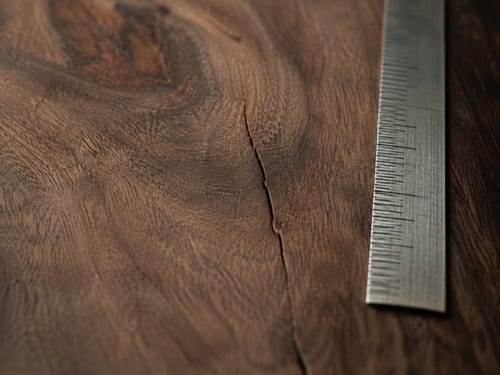
Unseasoned timber cracking
Sheesham shipped above 12% moisture splits when it meets central heating in the US or EU. The single largest claim category.
CRITICAL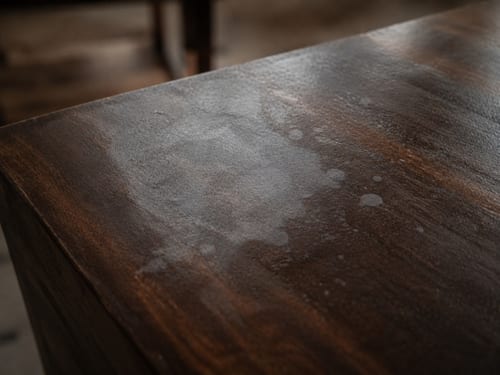
Finish bloom in transit
Lacquer cured during monsoon humidity clouds and blushes inside a hot container.
MAJOR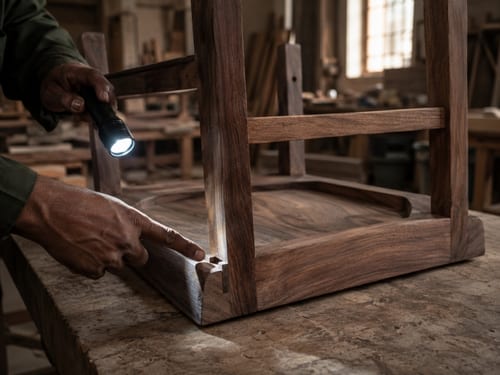
Joint and frame failure
Subcontracted assembly with undersized tenons or missing corner blocks — invisible until a customer sits down.
CRITICAL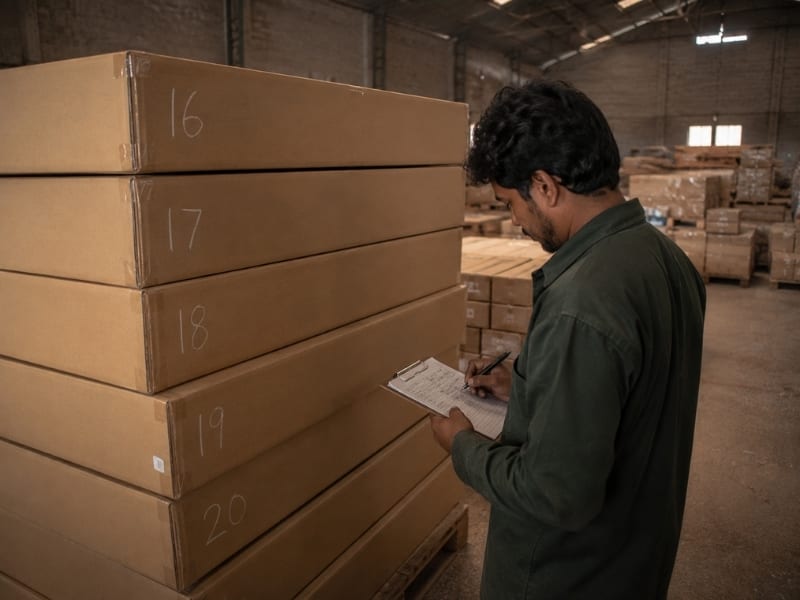
Short shipment
Cartons counted at the door, not the invoice. Orders arrive 5–20% short with no recourse after payment.
MAJOR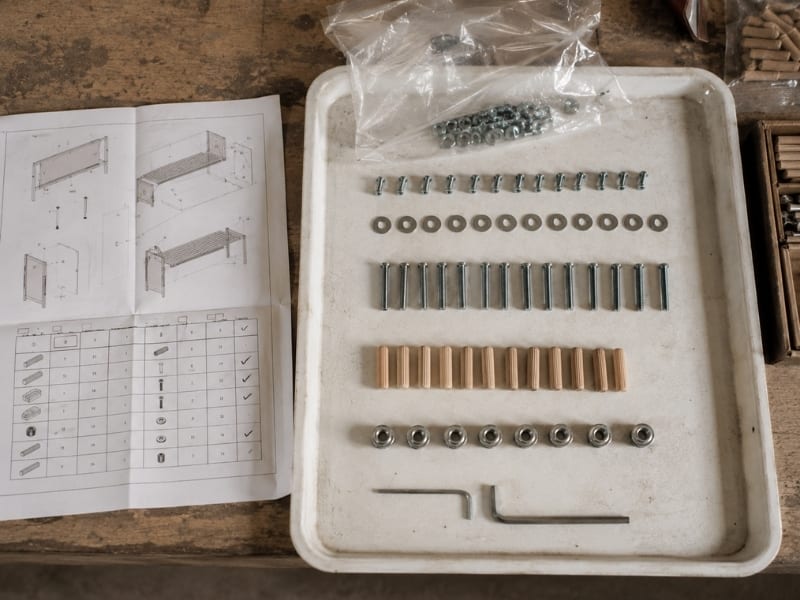
Wrong or missing hardware
Flat-pack kits with mismatched fittings turn a sellable SKU into a returns problem.
MAJOR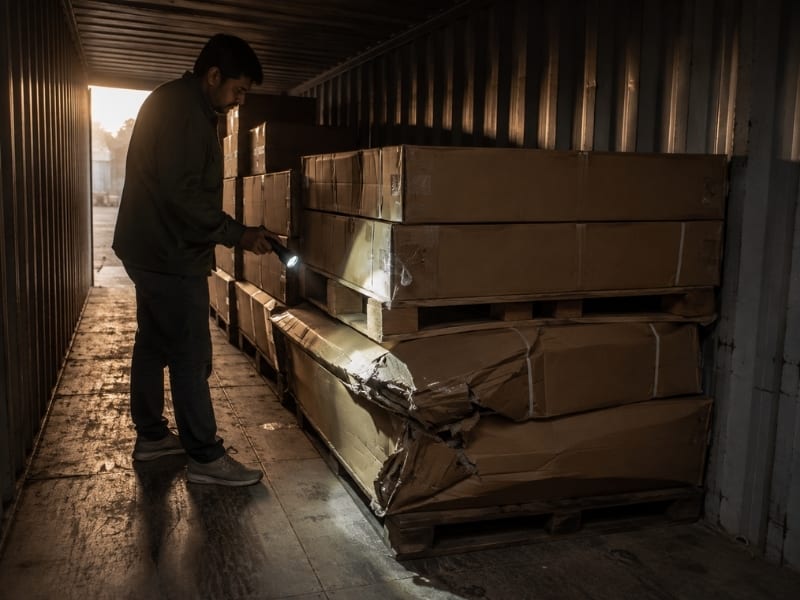
Container loading damage
Poor dunnage and stacking crush the bottom tier before the ship leaves Mundra.
CRITICALHow we classify a defect
Every entry belongs to one of six families, and every family maps to the service that catches it.
Wood & moisture
Cracking, splits, warp and movement from unseasoned or badly kilned timber—the largest claim family.
Finish
Bloom, blush, colour drift vs golden sample, adhesion failure, over-distressing on "antique" work.
Structure & joints
Undersized tenons, missing corner blocks, racking failure, unstable bases.
Hardware & fit
Missing or mismatched fittings, misaligned drawers, failed cycles on moving parts.
Quantity & documentation
Short shipment, wrong SKUs, label and barcode errors.
Packaging & loading
Failed drop tests, crushed tiers, wet cartons, inadequate dunnage.
Each entry records: defect ID and family, a macro photograph with measurement annotation, material and process stage, root cause, severity (critical / major / minor per AQL practice), how to specify against it in your PO, and which Qualis service catches it. Severity follows the same classes we apply on a report under AQL 2.5 sampling to ISO 2859-1 — critical defects are zero-tolerance, and each of those terms is defined in the glossary.
Your next India order. Protected.
Confirmed within 2 hours. Report within 24 hours of inspection. Paid by buyers only — never by factories.
Book an inspection