Watch it go in. Know what's actually inside.
A perfect inspection report doesn't guarantee a perfect container. Crushed cartons. Soaked goods. Swapped items. Short loads. All of it happens at stuffing. CLS puts your inspector at the container door—count, condition, dunnage, seal. Witnessed and photographed.
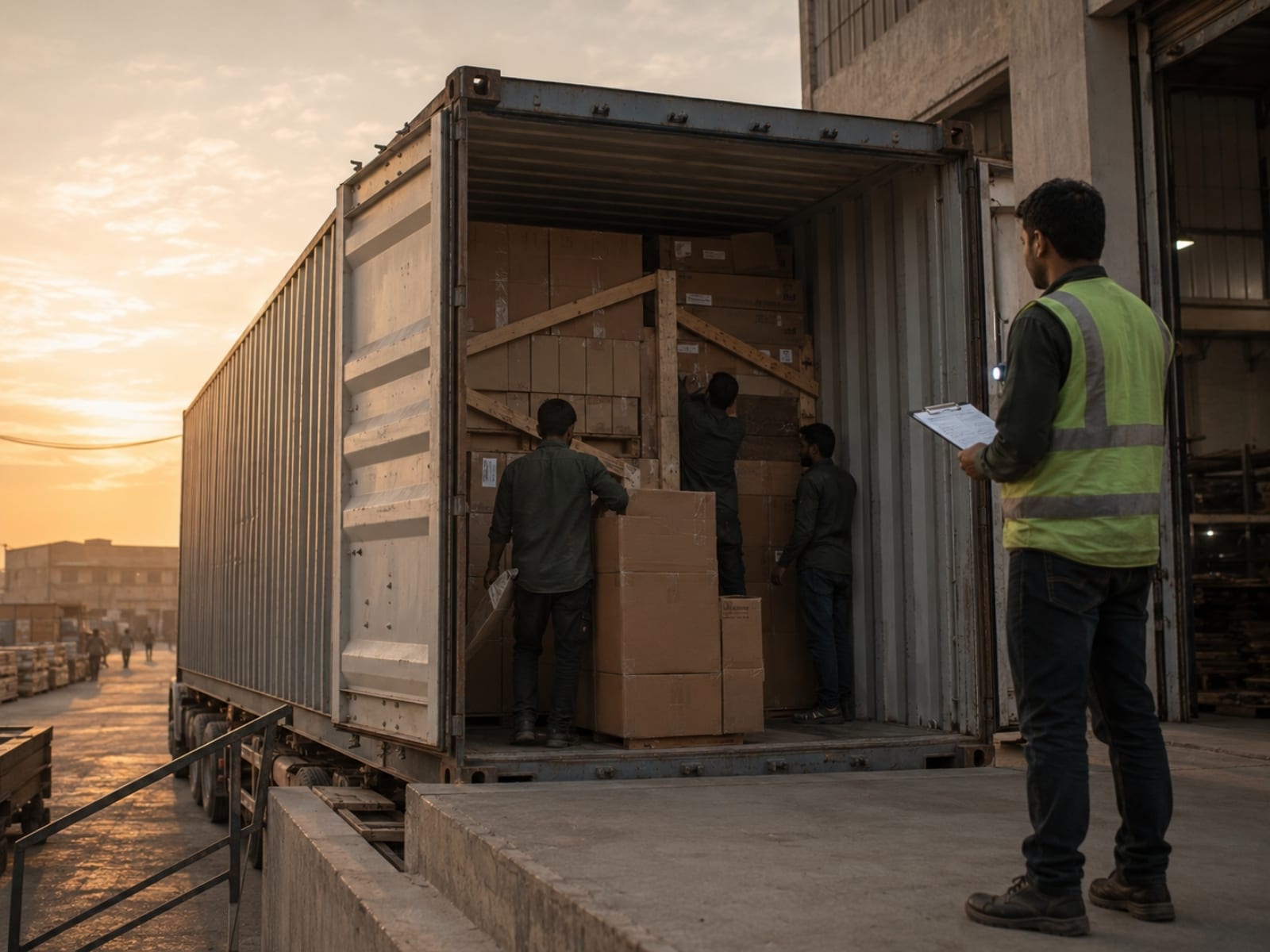
Three things that happen after your PSI passes
Everything below occurs in the hours between a passed inspection and a sealed container — the only window no other service covers.
The crushed bottom tier
Heavy cartons stacked on light ones, no dunnage between tiers, gaps left to shift at sea. The damage is invisible until your warehouse opens the doors.
The swap and the short-load
Inspected cartons stay in the warehouse; uninspected or fewer cartons go in the box. Without a witnessed tally, the packing list is a work of fiction.
The bad box
Pinholes that let monsoon rain in, wet floors that wick into carton bases, last-cargo chemical odour absorbed by raw wood. The container itself is a defect.
What CLS actually covers
From the moment the empty box arrives to the moment the seal closes — nothing loads without being counted, and nothing seals without being photographed.
Container loading supervision is an on-site check at the moment of stuffing. The empty container is inspected before anything goes in, every carton is counted against your invoice as it loads, condition and stacking are photographed tier by tier, and the seal number is recorded on the closed doors.
| Ref | Check | Method |
|---|---|---|
| L-01 | Container exterior & structure | Dents, holes, door alignment, locking bars, CSC plate |
| L-02 | Light test & watertightness | Doors closed from inside — any daylight is a rejection |
| L-03 | Floor condition | Dry, clean, nail-free; moisture wicking risk for wood cartons |
| L-04 | Odour & contamination | Previous-cargo smell check — raw wood absorbs everything |
| L-05 | Carton tally vs packing list | Every carton counted in, SKU-level, running tally sheet |
| L-06 | Carton condition at loading | Damaged or rain-exposed cartons pulled before they enter |
| L-07 | Stacking & weight distribution | Heavy-below-light, tier limits, no void columns |
| L-08 | Dunnage & bracing | Airbags, corner boards, lashing where specified — photographed in place |
| L-09 | Desiccant placement | Count and position per spec for humidity control |
| L-10 | Weather hold authority | Loading paused during rain — no exceptions during monsoon |
| L-11 | Load plan as executed | Photo sequence door-to-back, matched to the plan |
| L-12 | Seal application | Seal applied in inspector's presence, number photographed close-up |
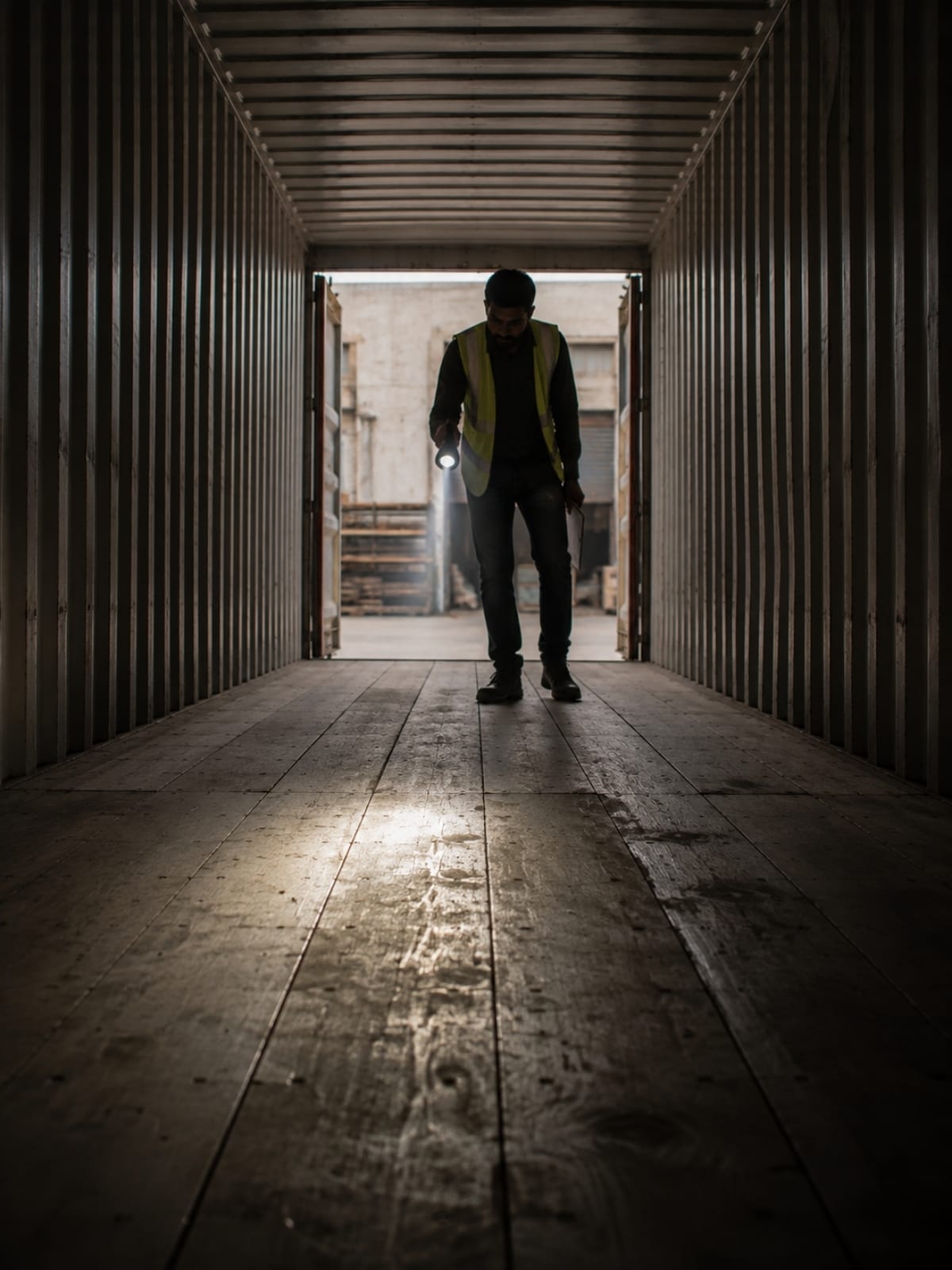
Stuffing day, supervised in five steps
Box arrives
Container inspected empty — L-01→L-04. A bad box is rejected before loading starts.
Tally begins
Every carton counted in against the packing list, damaged cartons pulled.
Stack & brace
Stacking, dunnage and desiccant supervised and photographed tier by tier.
Seal witnessed
Doors closed and seal applied in front of your inspector — number photographed.
Report same day
Condition record, tally, photo sequence and seal — the evidence set claims and insurers ask for.
What CLS actually catches
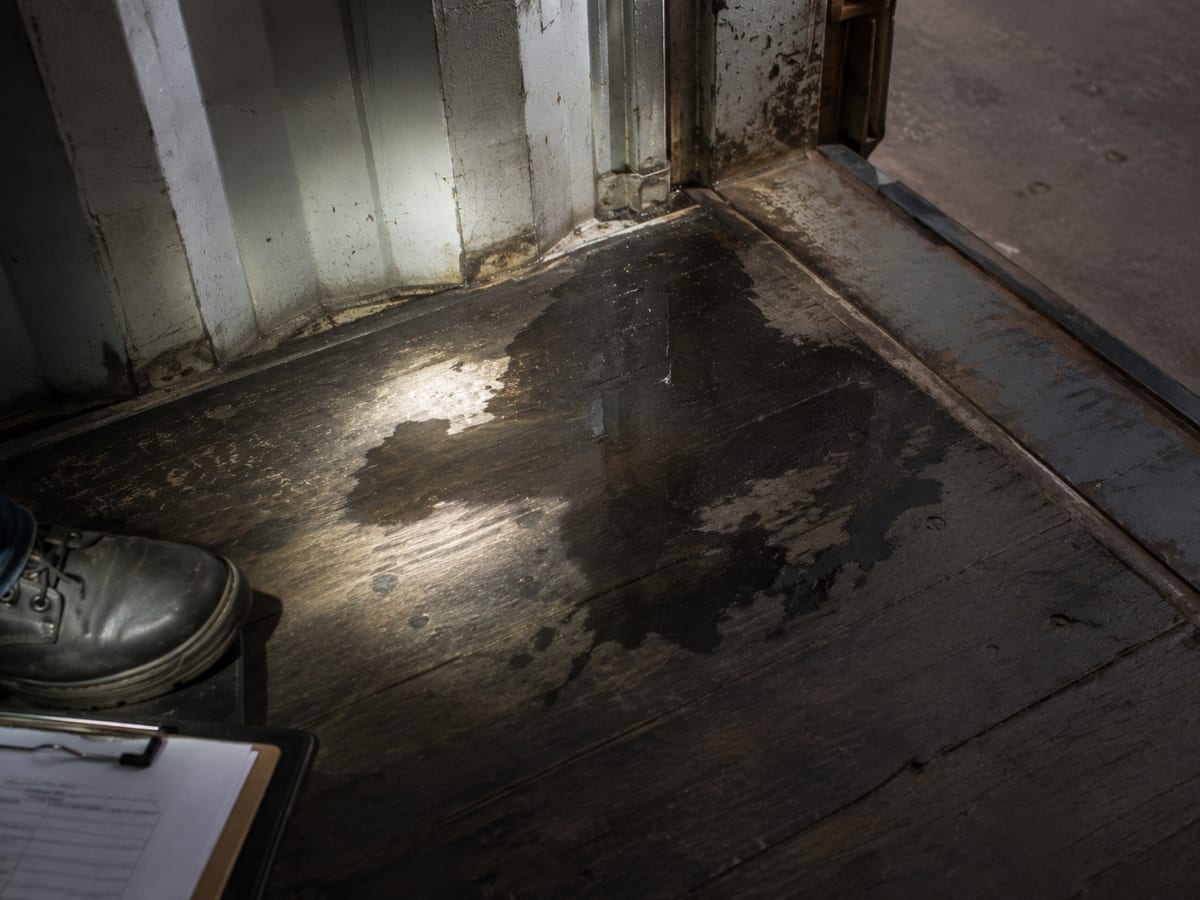
Caught at the door: the container that would have soaked the shipment
The box arrived with a floor wet from overnight rain through a failed door gasket — invisible from outside, obvious under a torch. Loaded, the bottom tier of carved sideboards would have wicked moisture for three weeks at sea.
The container was rejected on the spot under L-03, a replacement box arrived by afternoon, and loading finished the same day — seal photographed at 17:40.
OUTCOME: BOX REJECTED · RELOADED SAME DAY · SEALED
CLS pricing, published
Flat fees per container, no man-day arithmetic, no travel charges inside our clusters.
Standalone CLS
- Full L-01→L-12 scope
- 1×20ft or 1×40ft, single factory
- Weather hold authority
- Same-day photographed report
Protected Container
- Pre-shipment inspection included
- + Full CLS at stuffing
- Same inspector, goods to seal
- Priority 12-hour reporting
Multi-factory loading
- Consolidated containers, 2+ pickup points
- Tally per factory, per SKU
- Common for mixed Jodhpur orders
- Quoted per route
Container loading supervision FAQ
What is container loading supervision (CLS)?
An on-site check at the moment of stuffing: container condition before loading, a full carton tally against the packing list, supervised stacking and dunnage, and the seal applied and photographed in your inspector's presence.
Why do I need CLS if my order already passed PSI?
A PSI proves the goods were right at sampling. CLS proves those goods — all of them — went into a sound container, correctly braced, and that the box was sealed in front of your inspector. Substitution, short-loading, wet floors and crushed tiers all happen after PSI.
What do you check on the container itself?
Structure and doors, a light test for pinholes, floor dryness and cleanliness, and previous-cargo odour — raw wood absorbs chemical smells permanently. A defective box is rejected before a single carton goes in.
Does the CLS report help with insurance claims?
It provides exactly the evidence set claims processes ask for: pre-load condition record, witnessed tally, tier-by-tier photo sequence and the sealed seal number. We are not insurers, but our reports have supported buyers' claims.
Can loading be stopped for rain?
Yes — weather hold authority is L-10 in scope, and non-negotiable during monsoon. Cartons exposed to rain are pulled and noted.
The full assurance chain: verify, monitor, inspect, load.
CLS is the last link. For a first order, the First Order Shield covers supplier verification, during-production inspection and PSI in one package — add CLS and nothing ships unseen.
Related on this site
The last hundred metres, and what happens either side of it.
Book container loading supervision
Tell us the stuffing date and location. Confirmed within 2 hours; your inspector is at the door before the box opens.
RESPONSE < 2 HRS · REPORT SAME DAY · PAID BY BUYERS ONLY