Finish bloom in transit
Lacquer cured during monsoon humidity clouds and blushes inside a hot container.
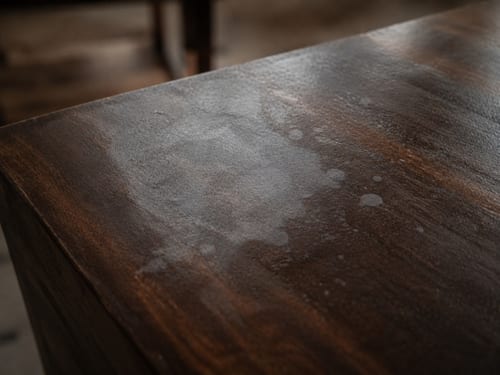
Why it happens
Lacquer needs stable, dry air to cure. Sprayed and stacked during a monsoon week, it traps moisture in the film instead of releasing it.
The piece can leave the factory looking correct. Sealed into a container that runs hot and humid for four to six weeks, the trapped moisture comes out of solution as a milky bloom across the surface.
It is a cosmetic defect that behaves like a structural one commercially: the goods are unsellable at full price and the cause is invisible at the point the shipment was accepted.
How to specify against it
A defect you can name in the purchase order is a defect an inspector can fail the shipment on. One you only describe in an email is not.
- Agree a minimum cure time between final coat and packing, and make it a condition rather than a preference.
- Approve a golden sample for the finish and freeze it, so acceptable variation is defined against a physical reference instead of by your customers’ reviews.
- For July to September production, specify a desiccant and moisture plan for the container before it is stuffed.
- Avoid a monsoon vessel date for high-gloss and dark lacquered ranges where the schedule allows it.
The inspection point
Each of these is a numbered check on a published scope, so you can see exactly which visit finds this and when.
Other defects in the library
Joint and frame failure
DEF-032 · Structure · Joint
Subcontracted assembly with undersized tenons or missing corner blocks — invisible until a customer sits down.
Short shipment
DEF-047 · Quantity · Count
Cartons counted at the door, not the invoice. Orders arrive 5–20% short with no recourse after payment.
Wrong or missing hardware
DEF-053 · Hardware · Kit
Flat-pack kits with mismatched fittings turn a sellable SKU into a returns problem.
Catch this one before it ships.
Confirmed within 2 hours. Report within 24 hours of inspection. Paid by buyers only — never by factories.
Book an inspection