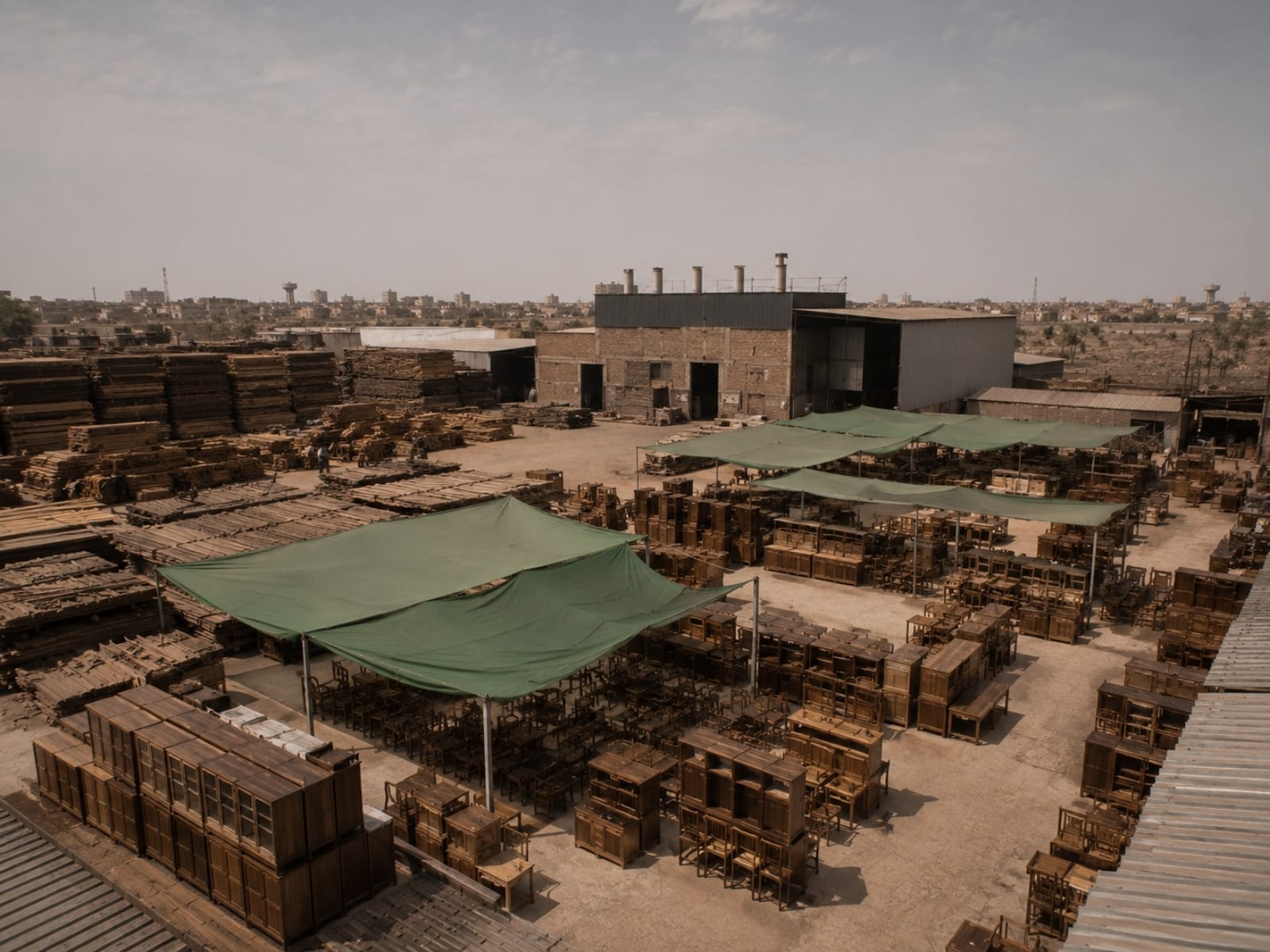
Jodhpur is one of the largest solid-wood furniture export clusters in the world, and the reason importers keep coming back is straightforward: the craft is real, the capacity is deep, and the prices work.
What catches first-time buyers is not the manufacturing. It is that the cluster runs on a network of workshops and trading houses, and the company you found online is not necessarily the company that will build your furniture. Almost everything that goes wrong on a first order was already decided before the first piece of timber was cut.
Here is what to settle while you still have leverage — which is to say, before the deposit leaves your account.
1. Establish who you are actually buying from
Trading through an intermediary is not a problem in itself; many good exporters are traders with reliable workshop relationships. Not knowing is the problem, because it determines who can fix a defect and how quickly.
Ask directly whether production is in-house or subcontracted, and to how many units. Then verify it rather than accepting the answer: an unannounced visit to the stated address establishes in an afternoon whether there is a factory, what is in it, and whether it matches the capacity being claimed. Photographs of a workshop are not evidence that the workshop belongs to your supplier.
Check the export history too. A company that has shipped consistently to your market understands its documentation and its expectations.
2. Approve a physical sample, and keep the counter-sample
Photographs cannot settle a finish dispute. Sheen, colour depth, grain fill and distressing all read differently on a screen than in a hand.
Approve a physical sample, then have it made in duplicate: one stays with the factory as the production reference, one comes to you. That second piece — the counter-sample — is the only object that can end an argument about whether a shipment matches what was approved. It is also the reference an inspector works against; without it, “matches the approved sample” is an opinion.
3. Write the specification in measurable terms
The single most useful thing a first-time importer can do is convert intentions into numbers. For each item:
- Species and grade, named precisely. “Sheesham” and “Indian rosewood” both mean Dalbergia sissoo; “mango wood” covers a wide quality range.
- Moisture content, as a range with a maximum, chosen for your climate rather than India’s.
- Dimensions and tolerances. A tolerance you did not state is a tolerance you cannot enforce.
- Construction — joint types at the points that carry load, panel construction, whether solid or veneered where it is not visible.
- Hardware by brand and model, not “soft-close runners”. Substitution here is common and cheap.
- Finish system — the coating type, the number of coats, and the sheen level.
- Packaging — carton grade, internal protection, corner protection, and what is printed on the outside.
Then state your defect classification and AQL in the PO itself. Agreeing acceptance criteria after an inspection has failed is not a negotiation you will enjoy.
4. Decide the inspection plan before production, not during
Book inspections against production milestones rather than promising to “arrange something closer to the time”. On a first order that usually means a check during production, while defects are still cheap to correct, and a pre-shipment inspection when the lot is at least 80% packed.
Put the right of inspection in the PO explicitly, including access for an independent third party. It is rarely refused, but it is much easier to have written down than to request for the first time on a Tuesday morning at the factory gate.
5. Structure payment around evidence
The deposit is the leverage you spend; the balance is the leverage you keep. Tie the final payment to a passed inspection rather than to a shipping date, and make sure the supplier knows that at the point of quoting. A supplier who objects to that structure on a first order is telling you something worth hearing.
6. Plan for the monsoon
Humidity affects drying, finishing and storage, and production scheduled through or immediately after the monsoon carries more risk than the same production in a dry month. It does not mean avoiding those months — it means knowing that timber handling deserves closer attention when your order runs through them.
What this adds up to
None of this is exotic. It is a verified supplier, a physical reference sample, a specification written in numbers, an inspection booked in advance, and payment terms tied to evidence. Importers who do these five things have ordinary first orders. Importers who skip them tend to learn each item on this list one container at a time.
Qualis Assurance is on the ground in Jodhpur. Start with supplier verification before the deposit, or read about the First Order Shield if this is your first shipment from India.

20 September 2026
Sourcing in India
The Complete Guide to Importing Furniture from India
India offers world-class hardwood furniture at hard-to-match prices — and import risks that stay invisible until the container arrives. This complete…
Read →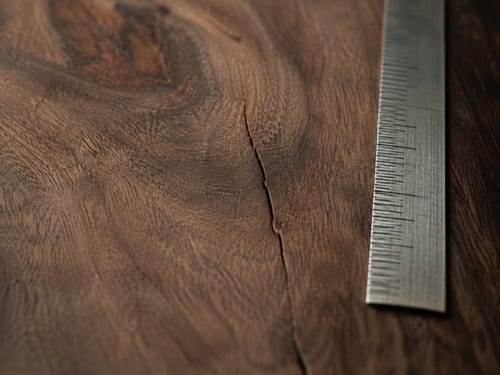
1 September 2026
Materials & Defects
Why Solid Wood Dining Table Tops Crack and Joints Open (And How to Prevent It Before Shipment)
Cracks and opening joints in solid wood dining tables almost always trace back to one cause: wood that shipped too wet. Here's why it happens, and…
Read →
1 September 2026
Inspection & Standards
Pre-shipment inspection or container loading supervision? What each one actually catches
They happen days apart and sound interchangeable. They protect against completely different failures — and one cannot substitute for the other.
Read →Related on this site
The services and references behind this note.
Destination guides
Also useful
Your next India order. Protected.
Confirmed within 2 hours. Report within 24 hours of inspection. Paid by buyers only — never by factories.
Book an inspection