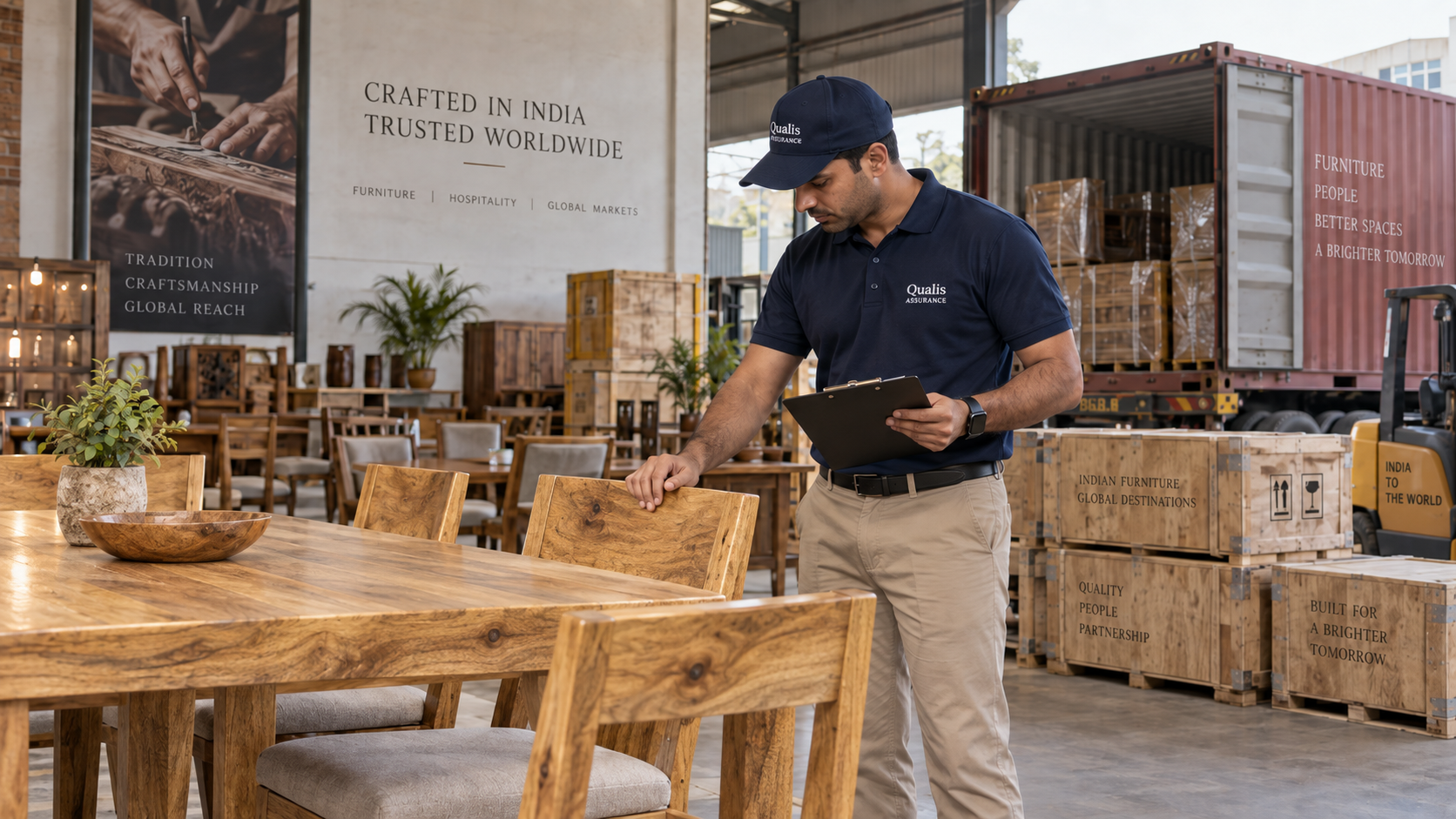
India is one of the world’s most rewarding places to buy furniture — solid hardwood, genuine hand-craft, and prices that are hard to match anywhere else. It’s also one of the easier places to get an import wrong, because the things that go wrong are invisible until the container arrives. This guide walks through the whole process, from choosing a supplier to clearing customs, and flags where the real risks sit.
It’s the overview; the detailed articles linked throughout go deeper on each step.
Step 1: Find and verify a supplier
Most buyers start on IndiaMART, Alibaba, at trade fairs, or through referrals. The critical early task is establishing whether the company you’re talking to is an actual manufacturer or a trader reselling from workshops you’ll never see. This matters because it determines who controls your quality and your timeline. Before any deposit changes hands, verify the supplier’s legal identity, export licence (IEC), GST registration, and — ideally — have someone physically confirm the factory exists and can make what you’re ordering.
Step 2: Sample, specify and agree terms
Approve a physical sample — the “golden sample” — and freeze it as the reference for the whole order. Write your specification in numbers, not adjectives: dimensions with tolerances, a moisture-content limit for your climate, finish and hardware detail. Agree payment terms that protect you, typically a deposit with the balance payable against a passed pre-shipment inspection. This is the stage where most future problems are either prevented or locked in.
Step 3: Monitor production
For anything beyond a small first order, don’t wait until the goods are finished to look at them. A during-production inspection at 20–50% completion catches the expensive, systematic problems — wrong moisture, wrong dimensions, wrong finish — while there’s still time and material to correct them. Waiting until the end means your only choices are to accept, reject, or delay.
Step 4: Inspect before you pay
A pre-shipment inspection, once production is around 80% complete and packed, is the single highest-value check in the process. An independent inspector samples the goods to a recognised standard (AQL, ISO 2859-1), verifies moisture, dimensions, structure, finish, quantity and packaging, and gives you a photographed pass/fail report before you release the balance payment. Getting this done before payment is the whole point — it’s the last moment a problem is still the factory’s to fix.
Step 5: Supervise loading
Good goods still arrive damaged if they’re loaded badly. Container loading supervision confirms the container is sound and dry, the count matches the packing list, the load is stacked and braced correctly, and the seal goes on in front of your inspector. It closes the gap between a passed inspection and a sealed container.
Step 6: Handle documents, duty and compliance
Wooden furniture must be fumigated and marked to ISPM-15 before it ships, with a fumigation certificate accompanying the goods. You’ll need a commercial invoice, packing list, bill of lading and certificate of origin at minimum, plus any destination-specific compliance (formaldehyde documentation, fire labelling, timber-legality declarations depending on your market). Your freight forwarder and customs broker handle clearance; your job is to make sure the paperwork and the product actually match.
Step 7: Plan the timeline and the true cost
Budget 75–110 days door-to-door for a fresh order — production, inspection, ocean transit, customs and inland delivery. And cost the whole landed picture, not just the FOB price: freight, insurance, duty and taxes (which on furniture can add substantially to the invoice), fumigation, port and clearance fees, and inland delivery. The sticker price is only the beginning of the real cost.
The thread running through all of it
Every step above has the same underlying logic: catch problems early and on the ground, before money and a sealed container make them your loss. That’s what an independent, buyer-side inspection partner exists to do. The craftsmanship in India is real; the risk is simply that you can’t see the product until it arrives — unless someone is there to look before it ships.
Frequently asked questions
How long does it take to import furniture from India?
Plan for roughly 75–110 days door-to-door on a fresh order — covering production, pre-shipment inspection, ocean transit (about 18–30 days to the US or Europe), customs clearance and inland delivery. First orders tend toward the upper end.
Is it safe to import furniture from India?
Yes, with the right controls. The craftsmanship is genuine and the value is strong; the risks — supplier legitimacy, wood moisture, finish consistency, transit damage — are all manageable with supplier verification and independent inspection before payment.
What’s the most important step when importing furniture from India?
Independent inspection before you pay the balance. It’s the point where quality problems are still the factory’s responsibility, and it’s consistently rated one of the highest-ROI steps in the whole import process.
Qualis Assurance is an independent furniture inspection and supplier verification partner in Jodhpur, India — supporting every step above, paid by buyers, never by factories. Explore our services or pre-shipment inspection.
1 September 2026
Sourcing in India
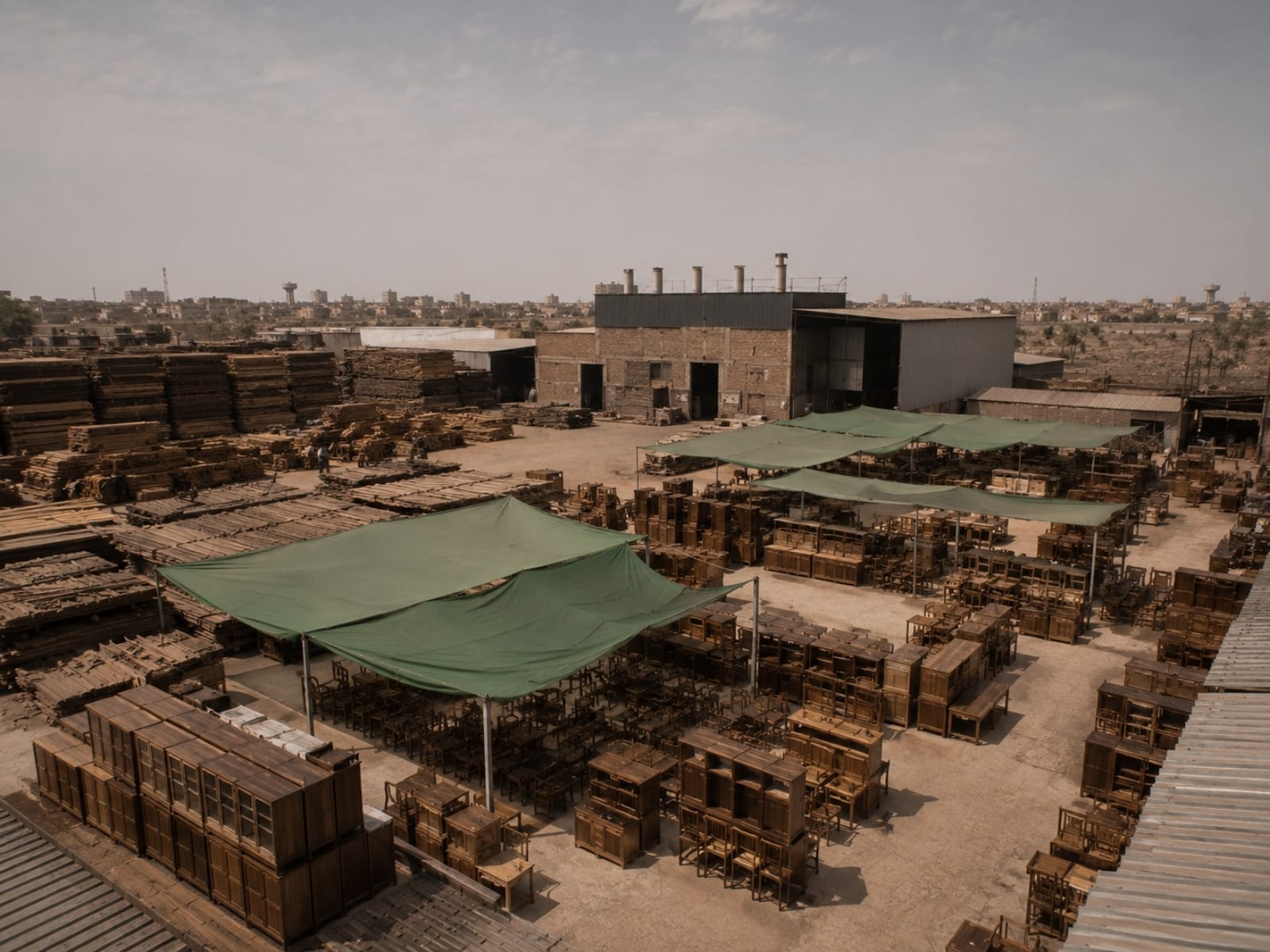
Your first furniture order from Jodhpur: a checklist before you pay the deposit
Most first-order problems are decided before production starts. What to verify, specify and photograph while you still have leverage.
Read →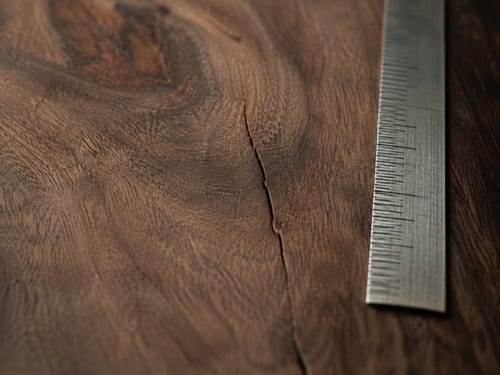
1 September 2026
Materials & Defects
Why Solid Wood Dining Table Tops Crack and Joints Open (And How to Prevent It Before Shipment)
Cracks and opening joints in solid wood dining tables almost always trace back to one cause: wood that shipped too wet. Here's why it happens, and…
Read →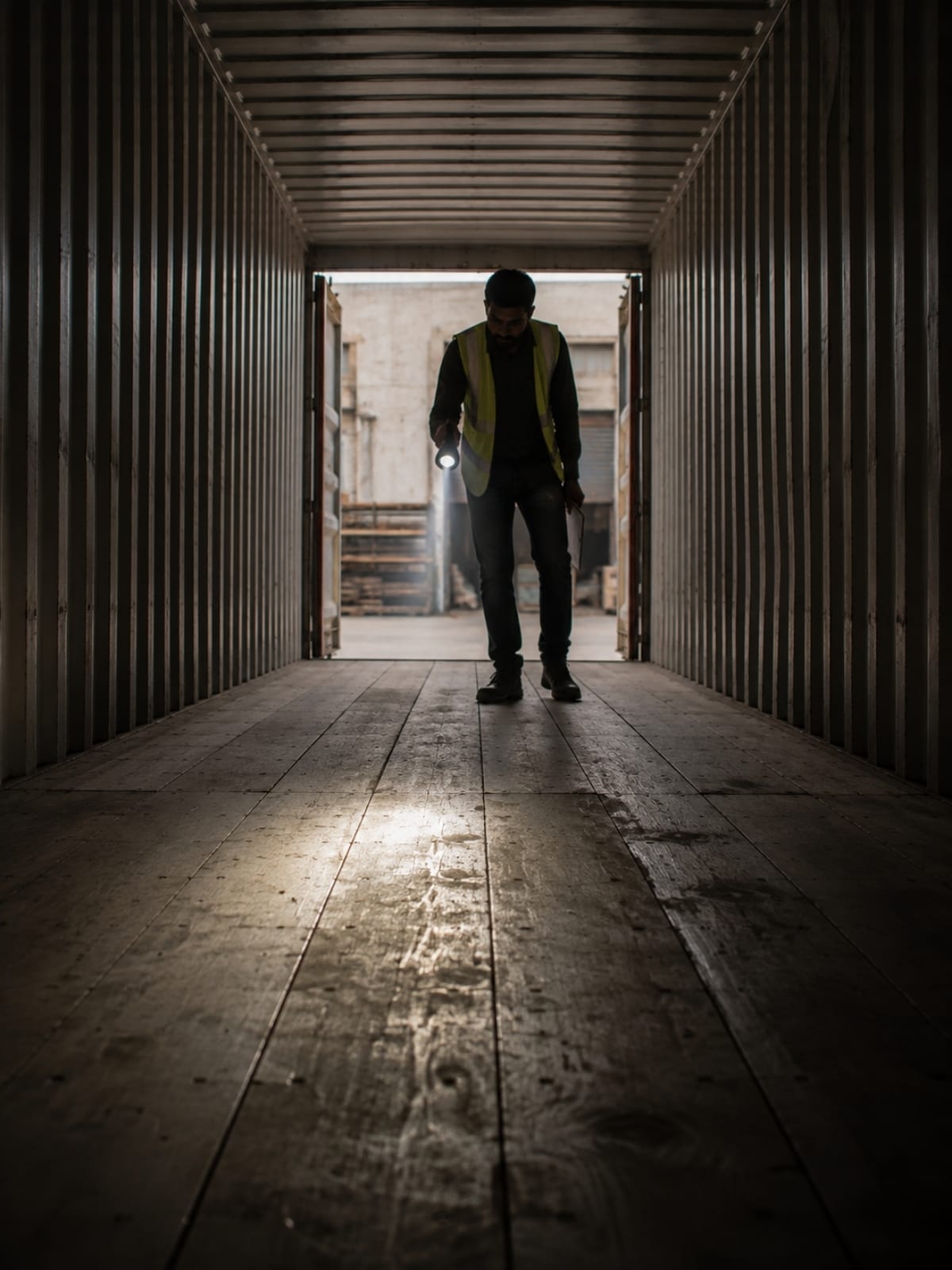
1 September 2026
Inspection & Standards
Pre-shipment inspection or container loading supervision? What each one actually catches
They happen days apart and sound interchangeable. They protect against completely different failures — and one cannot substitute for the other.
Read →Related on this site
The services and references behind this note.
Destination guides
Also useful
Your next India order. Protected.
Confirmed within 2 hours. Report within 24 hours of inspection. Paid by buyers only — never by factories.
Book an inspection